
Understanding Endometriosis: A Root-Cause, Whole-Body Perspective
What Is Endometriosis?
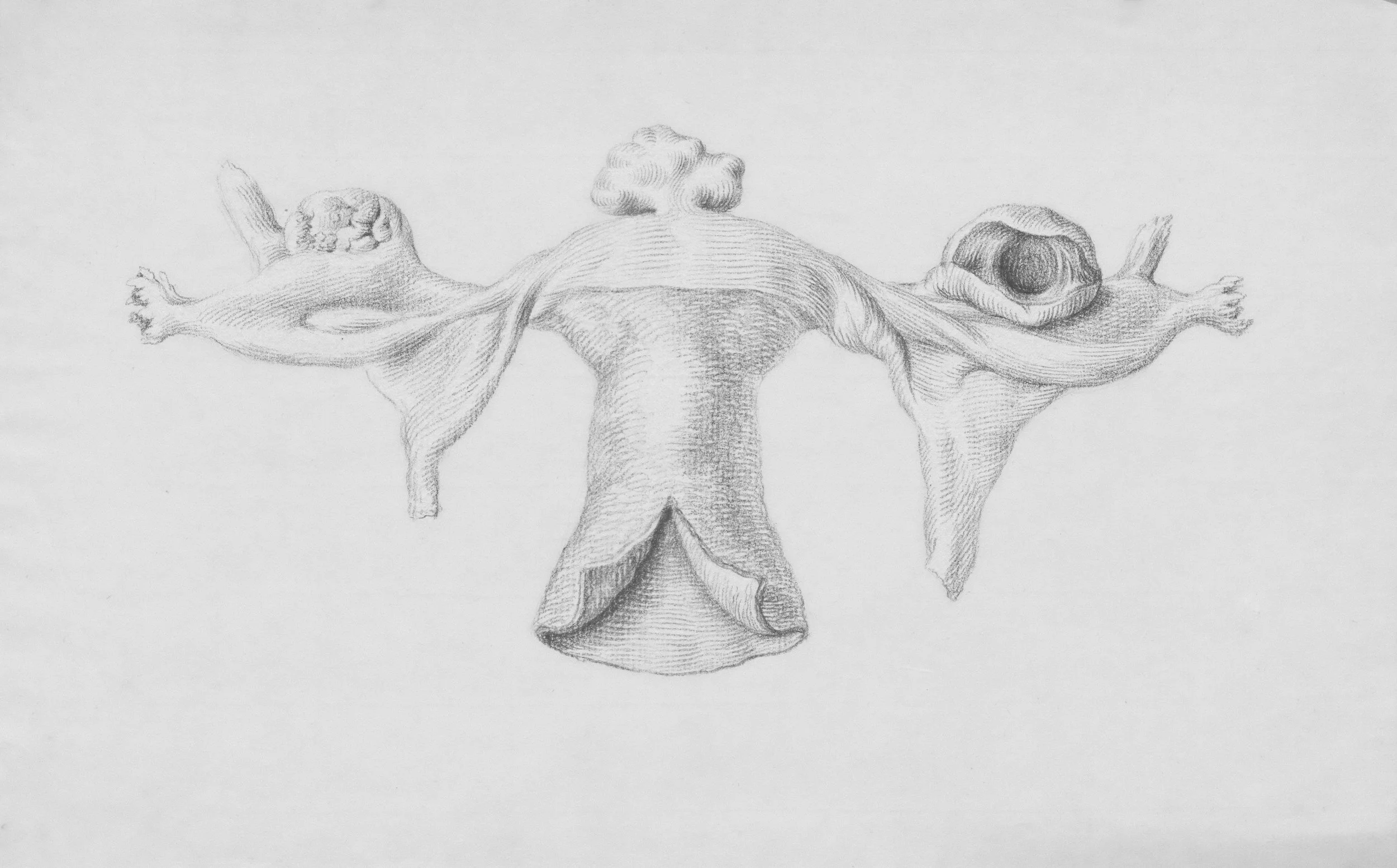
Endometriosis is a complex condition in which tissue similar to the lining of the uterus (the endometrium) grows outside the uterus — most often in the abdominal cavity, on the ovaries, fallopian tubes, or the peritoneum. Though it can grow outside of the abdominal cavity as well in more advanced cases.
This misplaced tissue responds to hormonal cycles (just like the uterine lining), so during menstruation, it can bleed, which causes inflammation, irritation, and then sometimes scarring (adhesions).
Over time, the chronic inflammation and immune activation lead to persistent pain, scar tissue formation, and potentially fertility issues.
What’s Really Driving Endometriosis?
While there may be many underlying causes, I often bring attention to the following:
1. Immune Dysregulation
Endometriosis isn’t simply a hormonal problem—it’s also a condition involving disruption in the immune system.
Your immune system normally helps clear misplaced endometrial-like cells and reduce inflammation. When immune function becomes dysregulated, these cells can persist and trigger ongoing inflammation and pain.
2. Chronic Inflammation
Endometriosis is fueled by chronic, low-grade inflammation in the pelvis and throughout the body.
This inflammation contributes to swelling, pain, adhesions, and the progression of lesions over time. Supporting the body with anti-inflammatory nutrition and lifestyle practices can help reduce this inflammatory burden.
3. Excess or Poorly Metabolized Estrogen
Estrogen doesn’t cause endometriosis, but the condition is estrogen-responsive, meaning excess estrogen or difficulty clearing estrogen (through the liver or gut) can amplify symptoms.
Environmental exposures, stress, inflammation, and even certain diets can affect how your body processes estrogen.
4. Environmental Toxins and Dioxins
Environmental toxins—especially dioxins, phthalates, BPA, and other endocrine-disrupting chemicals—can play a role in endometriosis by affecting hormone balance, immune function, and inflammation.
These chemicals may act like estrogens in the body (“xenoestrogens”) or may interfere with normal hormonal signaling.
Reducing exposure to plastics, synthetic fragrances, pesticides, and certain household or personal-care products can be an important part of supporting hormone and immune health.
Natural Support Strategies for Endometriosis
Diet & Lifestyle Approaches
An anti-inflammatory diet is often recommended to help lower systemic inflammation, which can ease the overall burden on the immune and hormonal systems. This typically includes whole foods, vegetables, omega-3 fats, and minimizing sugar and processed foods.
Reducing exposure to environmental toxins, especially chemicals that act like hormones (“xenoestrogens”), can also be supportive. Strategies include avoiding plastics when possible, choosing organic produce when accessible, using cleaner household and body-care products, and supporting natural detoxification pathways.
Balancing blood sugar and maintaining a healthy weight can further help, as insulin and excess adipose tissue can influence both inflammation and estrogen levels—two key factors in endometriosis.
A Whole-Person Approach to Supporting Endometriosis
Supporting Hormone Balance
I focus on improving estrogen metabolism through nutrition, gut and liver support, and reducing exposure to environmental hormone disruptors.
Lowering Inflammation
Using an anti-inflammatory diet—rich in vegetables, greens, fiber, whole foods, and omega-3 fats—helps calm inflammation naturally.
Improving Immune Function
Because immune dysregulation is a major driver, I often support gut health, stress responses, nutrient status, sleep, and lifestyle practices that strengthen immune balance.
Integrative Pain Support
Natural tools like ginger, turmeric/curcumin, and melatonin may help reduce inflammation and discomfort. Pelvic physical therapy, heat therapy, breathwork, yoga, and bodywork can also offer relief.
Supporting Detoxification
Some natural approaches focus on helping the body process and eliminate excess or harmful forms of estrogen, including those from environmental exposures.
Drainage Remedies or gentle detox-support remedies—such as those aimed at promoting healthy lymphatic flow, liver function, and elimination— help the body clear inflammatory byproducts more efficiently. Creating this foundation can make later hormonal or symptom-targeted treatments better tolerated and more effective, since the body’s natural detox pathways are already supported. I often like to start with this.
Indole-3-carbinol (I3C), a compound that supports liver pathways involved in estrogen detoxification. This may help balance hormone levels and reduce estrogen-related symptom flares.
DIM (diindolylmethane), a compound from cruciferous vegetables, supports the body’s estrogen-metabolism pathways by helping shift estrogen toward safer, less inflammatory metabolites. This more balanced estrogen processing may help reduce symptoms in some people with endometriosis, although it should be used with medical guidance.
Herbs & Supplements Often Used for Support
Some integrative approaches draw on research and clinical experience to incorporate herbs and nutrients that may help with inflammation, hormone metabolism, or symptom relief. Commonly used options include but are not limited to:
N-acetyl-cysteine (NAC): Research has shown potential reductions in ovarian cysts and pain.
Melatonin: Beyond its role in sleep, melatonin may have antioxidant, anti-inflammatory, immune-modulating, and estrogen-detoxifying properties.
Pycnogenol (pine bark extract): Some studies report sustained pain reduction in individuals with endometriosis.
Vitamin B6: Supports glutathione production, an important antioxidant, and helps with estrogen metabolism.
Omega-3 fatty acids (EPA/DHA): Well-known for their anti-inflammatory effects.
Curcumin: A key anti-inflammatory compound that also supports detoxification.
Ginger: Has demonstrated pain-relieving benefits; in some studies, its effects were similar to those of over-the-counter pain relievers.
Note: Supplement strategies should always be individualized and discussed with a qualified healthcare provider. This is a general overview only.
Holistic Pain Management
Pain support often involves a combination of botanicals and lifestyle tools. Melatonin has shown benefits in reducing pelvic pain, pain with intercourse, bowel movements, and urination at higher therapeutic doses in research settings.
Other supportive strategies include:
Ginger and other anti-inflammatory herbs
Heat therapy or warm compresses
Contrast sitz baths (alternating hot and cold)
Working with bodyworkers such as pelvic physical therapists, abdominal massage practitioners, or specialists trained in pelvic adhesion release techniques
These techniques can help reduce muscle tension, improve pelvic blood flow, and support mobility of tissues affected by adhesions.
What to Expect & How to Use This Approach
Natural therapies take time: It may take 3–6 months to notice symptom improvement, and up to 12 months to see changes in tissue (if tracked via laparoscopy).
I recommends keeping a symptom journal (tracking pain, energy, sleep, menstrual patterns) — this helps you and your practitioner see whether an approach is working.
These strategies do not need to replace conventional care. Instead, they can complement surgery or hormonal treatments, or serve as a gentler first step.
Working with an integrative or functional medical provider (like an MD/NP/PA/naturopath/midwife/herbalist) can help tailor these therapies safely and effectively.
Empowerment in Healing
My goal is to help you understand what’s happening in your body and give you the tools to support your health on multiple levels. Endometriosis is complex, but with a comprehensive approach—nutritional, hormonal, environmental, and mind-body—you can improve symptoms, reduce inflammation, and support long-term pelvic health.
— Nicole