
The Two-Week Wait: A Clinical Guide to Physiology, Nutrition, and Practical Support
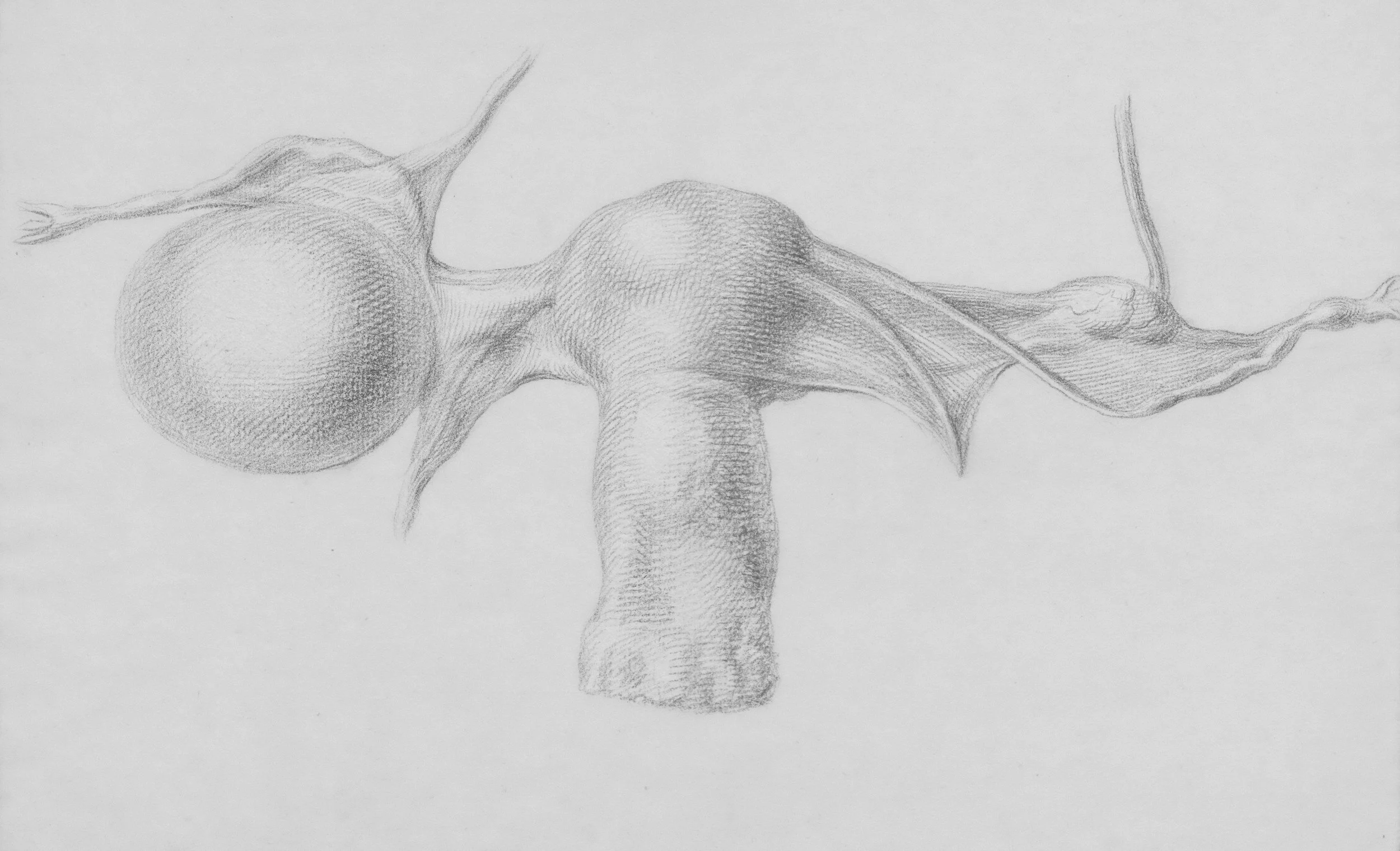
The time between ovulation and your expected period—commonly referred to as the two-week wait—is one of the most biologically active phases of the menstrual cycle. It is also one of the least understood.
During this window:
Fertilization may occur
The early embryo travels through the fallopian tube
Implantation may take place
Hormonal signaling shifts to support potential pregnancy
Despite how significant these processes are, most occur without noticeable symptoms. This often leads to unnecessary stress, over-analysis, and misinterpretation of normal physiologic changes.
This guide is designed to give you a clear, science-based understanding of what is happening—and more importantly, what actually supports this phase.
Understanding the Physiology
Ovulation and Early Luteal Phase (Days 0–3 Post Ovulation)
After ovulation:
The follicle transforms into the corpus luteum
Progesterone production begins
The uterine lining becomes more receptive
If fertilization occurs, it typically happens within 12–24 hours of ovulation
The embryo then begins rapid cell division while traveling toward the uterus.
Mid-Luteal Phase (Days 4–7 Post Ovulation)
The embryo reaches the uterine cavity
It develops into a blastocyst
The endometrium (uterine lining) continues to mature under progesterone influence
At this stage, implantation has not yet occurred.
Implantation Window (Days 6–10 Post Ovulation)
This is the most critical phase for pregnancy establishment.
The blastocyst attaches to the uterine lining
hCG (human chorionic gonadotropin) begins production only after implantation
Progesterone remains essential for maintaining endometrial stability
Late Luteal Phase (Days 10–14 Post Ovulation)
hCG rises (if implantation occurred)
Progesterone is maintained
Early pregnancy testing may become positive
Hormonal Dynamics That Matter
Progesterone
Primary hormone of the luteal phase
Supports endometrial receptivity
Modulates immune response
Promotes a stable implantation environment
Estrogen (secondary role)
Supports endometrial development
Works in coordination with progesterone
hCG (only if implantation occurs)
Signals the body to maintain progesterone production
Symptoms: A Clinical Perspective
Many symptoms attributed to early pregnancy are actually driven by progesterone.
Common luteal phase symptoms include:
Fatigue
Bloating
Breast tenderness
Mild cramping
Mood changes
These occur in both:
pregnant cycles
non-pregnant cycles
Symptoms alone are not a reliable indicator of conception
Nutritional Support During the Two-Week Wait
The goal during this phase is to support:
progesterone production
blood sugar stability
inflammatory balance
overall physiologic resilience
1. Blood Sugar Regulation (Foundational)
Fluctuations in blood sugar can impact:
progesterone signaling
cortisol levels
overall hormonal balance
Practical guidelines:
Eat every 3–4 hours
Include protein, fat, and carbohydrates at each meal
Avoid skipping meals
Example meal structure:
Protein: eggs, chicken, fish, yogurt
Carbohydrates: rice, potatoes, oats, fruit
Fats: olive oil, avocado, nuts
2. Adequate Carbohydrate Intake
Low carbohydrate intake can signal physiological stress and impair:
progesterone production
thyroid function
reproductive hormone signaling
Include:
Root vegetables
Whole grains
Fruit
3. Micronutrient Support
Key nutrients involved in luteal phase function:
Vitamin B6 → supports progesterone metabolism
Magnesium → supports nervous system regulation
Zinc → supports hormone production
Iron → supports endometrial health
These can be obtained through:
Whole foods
A quality prenatal supplement
4. Anti-Inflammatory Support
Excess inflammation may interfere with implantation.
Focus on:
Omega-3 rich foods (salmon, walnuts)
Olive oil
Colorful vegetables
5. Hydration
Adequate hydration supports:
blood flow
nutrient delivery
overall cellular function
Lifestyle Support
1. Exercise
Recommended:
Walking
Light strength training
Mobility work
Avoid:
High-intensity or excessive training
Over-exercising during this phase
2. Sleep
Progesterone production and hormonal regulation are highly dependent on sleep.
Aim for consistent, high-quality sleep
Prioritize sleep hygiene
3. Nervous System Regulation
Chronic stress can impact:
progesterone
implantation environment
Support includes:
time outdoors
slow routines
reducing excessive symptom monitoring
Practical Tools for Patients
1. Daily Check-In
Ask:
Did I eat consistently today?
Did I support my body with nourishment?
Did I avoid extremes?
2. Meal Template
At each meal:
1 protein source
1 carbohydrate source
1 fat source
Vegetables
3. Symptom Reframe Tool
Instead of:
“What does this symptom mean?”
Shift to:
“This is likely progesterone doing its job”
4. Testing Guidance
Earliest testing: ~10 DPO
Most reliable: 12–14 DPO
Testing too early often leads to:
false negatives
increased anxiety
What to Avoid
Restrictive diets
Skipping meals
Excessive exercise
Overuse of supplements
Early and repeated testing
Key Takeaway
The two-week wait is not a phase of intervention, it is a phase of support.
If ovulation occurred and timing was appropriate:
The most critical steps have already been completed
From this point forward:
Nourish your body
Support your nervous system
Maintain consistency
Your role is not to control the outcome, but to create the most supportive internal environment possible.